



After a successful embryo transfer comes what often feels like the longest two weeks. It’s a time filled with anticipation, hope, and nervousness. Many women ask themselves the same questions: What is happening to the embryo right now? How will I know if implantation has occurred? And when can pregnancy be confirmed?
Take a closer look at embryo development after IVF (FET) day by day and discover what you may experience in your body during the two-week wait.
Embryo Development Day by Day After FET
During IVF treatment, the embryo is usually transferred into the uterus at the blastocyst stage – typically five to six days after fertilization. The following days are crucial, as they determine whether implantation will occur and the pregnancy can begin to develop.
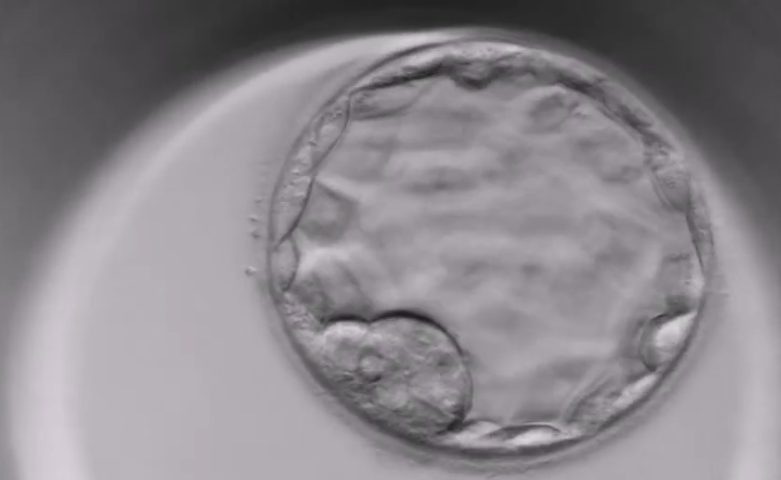
“From an embryological perspective, the beginning of embryonic development is the day of fertilization (biological age); however, this date is known only for embryos created in vitro.”
— Prof. MUDr. Pavel Trávník, DrSc.
Day 1 After FET: The Embryo Prepares for Implantation
The embryo, now at the blastocyst stage, is inside the uterus and gradually begins the “hatching” process, breaking free from its protective shell. This step is essential for successful attachment to the uterine lining (endometrium).
Day 2 After FET: First Contact With the Uterine Lining
The blastocyst continues hatching and starts gently attaching to the endometrium. This is the first sign that implantation may be beginning.
Day 3 After FET: Implantation Begins
The embryo starts embedding itself into the uterine lining, initiating the implantation process. Some women may notice light spotting or pink discharge, which can be a common sign of implantation.
Day 4 After FET: Connection to the Blood Supply
The blastocyst begins connecting to tiny blood vessels in the uterine lining, securing the nutrients and oxygen needed for further development. Mild spotting may still continue in some cases.
Day 5 After FET: Implantation Is Nearly Complete
The embryo starts dividing into cells that will form the fetus and cells that will later develop into the placenta. The body begins responding to the embryo’s presence and prepares for hormone production.
Day 6 After FET: hCG Production Begins
Cells of the future placenta begin producing the hormone hCG, which supports progesterone production and helps maintain the uterine lining. Some women may start noticing subtle changes such as fatigue, breast tenderness, or mood swings.
Days 7–8 After FET: The Embryo Continues to Grow
The placenta gradually develops and provides nourishment for the embryo. hCG levels continue rising, although it is still too early for a fully reliable pregnancy test. Mild pelvic pressure or emotional fluctuations may occur.
Days 9–10 After FET: First Possible Signs of Pregnancy
hCG levels increase further. Some highly sensitive pregnancy tests may already show a positive result, but doctors usually recommend waiting a few more days, as testing too early can lead to false-negative or false-positive results.
Days 11–12 After FET: Pregnancy Tests Become More Reliable
The embryo is now firmly implanted, and the placenta continues developing. Most women already have enough hCG in their blood and urine for a pregnancy test to turn positive, although waiting until Day 14 is still recommended.
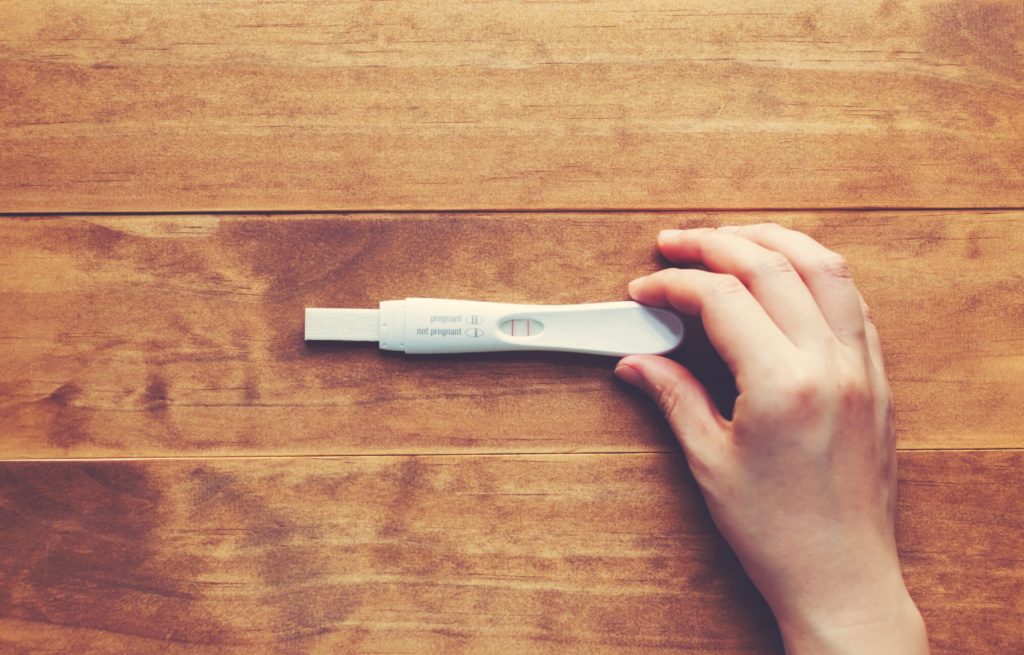
Days 13–14 After FET: Pregnancy Confirmation
hCG levels rise rapidly, and pregnancy tests are usually clearly positive. Official pregnancy confirmation typically takes place 14 days after FET through a blood test, followed by an ultrasound examination.
How to Recognize a Successful FET and What Happens Next?
A successful frozen embryo transfer is confirmed by a positive pregnancy test. Please share your good news with us! We will invite you for an examination, including a gynecological ultrasound and hormone level testing.
During the first check-up, the most important step is confirming that the pregnancy is developing inside the uterus. At this stage, it is often still too early to clearly see the embryo on ultrasound.
At the second follow-up appointment, usually two weeks later, we monitor the ongoing development of the pregnancy. If everything progresses as expected, the embryo is typically visible, and you may even see the heartbeat for the first time.
Early physical symptoms may include breast tenderness, fatigue, or mood swings. However, these can also be caused by hormonal medication, which is why pregnancy testing remains essential.
After FET, a calmer lifestyle is generally recommended for approximately two weeks. Avoid heavy physical activity, hot baths, and saunas. If pregnancy is confirmed, your first follow-up visits and ultrasounds will continue at the IVF clinic.

Time passes surprisingly quickly. That is why we like to capture this special moment with an ultrasound photo before handing your care over to your gynecologist. At that point, all that remains is to wish you happiness and good luck for the months ahead.