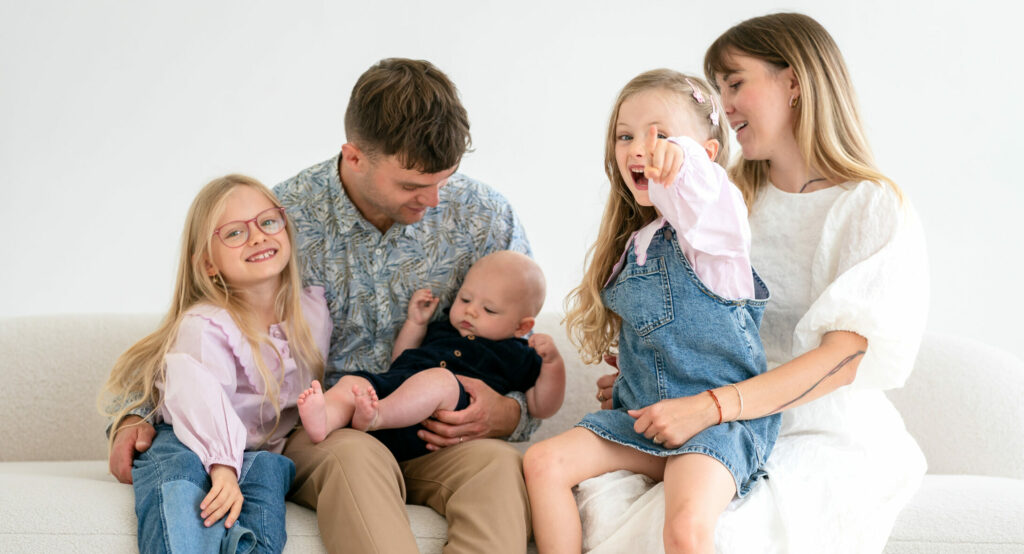



The desire to have a child is one of the greatest wishes for many couples. However, the path to parenthood is not always straightforward. For those who cannot conceive using their own reproductive cells, modern medicine offers hope: IVF with donated eggs, sperm, or even embryos. This assisted reproduction method provides infertile couples with a real chance to build a family.
When donor-assisted IVF could be the right step?
Donor reproductive cells may be considered in situations where:
- A woman does not have enough eggs of sufficient quality, due to premature ovarian failure, genetic disorders, age, or previous illnesses.
- A man does not have viable sperm, due to genetic abnormalities, past illness, or intensive treatments such as chemotherapy.
- There is a need to prevent the transmission of serious genetic disorders to the child.
- Preimplantation genetic testing cannot be applied.
In these cases, IVF using donor cells can become a crucial step toward fulfilling the dream of parenthood.
How does IVF with donor cells work?
The process always begins with a thorough medical evaluation to determine whether using a patient’s own reproductive cells is still possible. Only if the doctor recommends donor cells as the most suitable solution can planning and preparation for assisted reproduction begin.
IVF with donor cells involves:
- Selecting a suitable donor.
- Comprehensive medical and genetic screening of donors.
- Egg retrieval.
- Freezing the eggs or immediate fertilization with the partner’s or donor’s sperm.
- Cultivating the embryos.
- Transferring the selected embryo into the recipient’s uterus.
The entire process is professionally managed and tailored to the individual needs of each couple.
In the Czech Republic, cell donation is anonymous and voluntary:
- Donors have no rights or obligations toward the child.
- This system provides legal certainty and peace of mind for future parents.
Psychological support: an essential part of the journey
The emotional aspect of this decision is just as important as the medical side. Using donor cells can be emotionally challenging – it raises questions of identity, acceptance, and fear. Therefore, it is crucial for patients to have access to psychological support and a safe space to share their feelings, concerns, and hopes.

Jana, now the proud mother of a healthy baby boy, shares her story:
I knew my age was no longer ideal. The doctors recommended donor eggs, but I wanted to give myself a chance and try with my own eggs first. My husband and I went through two attempts with our own cells, but unfortunately, we did not succeed in conceiving. When we finally decided on donor eggs, it was important to us that the donor closely matched my appearance, eye color, and hair, but also shared similar interests. Even though I was naturally nervous at first, my husband and the team at Repromeda supported me wonderfully, assuring me it would be okay. I am incredibly grateful we didn’t give up. Thanks to that, we are now the proud parents of a wonderful baby boy. Miracles do happen.
IVF is often a journey full of emotions and hope. Thanks to advanced methods and experienced specialists, many couples today experience the joy of parenthood they once only dreamed of.
If you are facing a similar decision, know that you are not alone and that there are solutions that can change your life. At Repromeda, we are here for you – ready to listen, support you, and work with our IVF specialists to find a solution that makes sense for you.